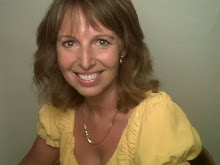
My previous blog post explained that I have now moved to http://www.hanzak.com/blog. During the last week I have noticed over 35,000 views of this blog from Germany. Please can anyone explain why?
Many thanks,
Elaine
Sunday, 23 June 2013


Wednesday, 21 March 2012
Going back to the future
This will be my final blog on this site because in future all my posts will be directly on my new website - still at www.hanzak.com . This one shall remain although all previous posts here will also be transferred over to the new site. I am also in the process of creating a category index for them so we will all be able to find relevant information easier.
As I am launching my new logo, website, stationery, etc. I have decided to revert back to my surname of Hanzak, without the addition of Gott. Regular readers will be aware of my rapid decision to do that following Clive's sudden death last year. There are several other reasons for my choice to revert including the approval by both families. It felt the right thing to do at the time last year and likewise I feel that it is also appropriate to change back now. It will also make leaving messages, repeating my name on phone calls and even ordering a take-away much easier! Not to mention any poor soul who asked the question 'That's an unusual surname - where is it from?' I bet they regretted asking!
Once again I start the administration process of changes! It amazes me how such a relatively simple process can then take hours, not to mention different procedures for places I am registered with. Some are a simple click on the computer, others require a photocopy of the change of deed, others want the original. I feel this last year I have learnt my way through bureaucracy well in dealing with aspects of a death, moving home and name change. It was one of the points I made whilst speaking for the Customer Service Training Network (CSTN) in Leeds last week, at the impressive Weetwood Hall. I suggested that if companies can make it easier for their customers during births, deaths, trouble and joys then they would build loyalty and efficiency the rest of the time. If you have a company what procedures do you have in place for someone during these periods?
I was thrilled to speak for CSTN again. The founder, Don Hales, heard me speak at a Professional Speaking Association event many years ago, even before I met Clive. So when his death last year left a gap in the programme at a meeting in Cardiff, Don gave me the opportunity to fill it. Back then my grief was still very raw and my presentation was extremely emotive for us all. To be invited back again purely on my own merit was fantastic! In the interim Don has also suffered from a heart attack yet following surgery he is recovering, thank goodness.
The last few weeks I haven't been blogging because I have used as much time as possible to put my new website together and I also wanted to prepare a new keynote for CSTN. I still used my story on the troubles and joys of my life then gave a greater emphasis on how my 'Hanzak' principles applied to aspects of improving customer experiences:-
Hope - we all want to be served and hope for the satisfactory outcome or even more.
Attitude - we want to be served by someone who is upbeat and positive, as opposed to a 'mood hoover'.
Nurture - we want to feel special, welcome and important.
Zest - we want to be delighted and have our senses tantalised.
Altogether - we want to be dealt with by effectively run teams.
Kindness - ultimately, no matter where we are in life, ultimately this is what we seek.
Attitude - we want to be served by someone who is upbeat and positive, as opposed to a 'mood hoover'.
Nurture - we want to feel special, welcome and important.
Zest - we want to be delighted and have our senses tantalised.
Altogether - we want to be dealt with by effectively run teams.
Kindness - ultimately, no matter where we are in life, ultimately this is what we seek.
I illustrated each one with examples of how I have experienced these at different stages in my life. I didn't use a music track and didn't make anyone cry! I felt I was less emotional yet my messages more effective as a result. I was thrilled by the positive comments made by attendees, especially those who had heard me in Cardiff. One lady said it was wonderful to witness how I have evolved and grown. When I look back on the last couple of years I can see that in myself too.
Others speakers were Liz Cable from Reach Further who gave some great techniques on Social Media; John Hotowka who combined his humour, magic tricks and messages on making progress; Dave Bradley with his presentation 'New tent, same circus' about making changes and the dynamic Helen Hamilton who summed up the day with the research around customer experience and brought the rest of into it as examples.
Going back to my own name has been another step along the way in recovering from the loss of Clive. He has left a legacy behind that will mean the lessons he shared about life will continue after his death. From that I know he would feel that his purpose was achieved and, in his words, 'he left the world a better place for having visited'.
As I leave the familar layout and process of this blog procedure it almost feels like a goodbye to a friend. It started as a reporting idea for my talks and knowledge around postnatal depression but then last year grew into a 'story' that has been read worldwide. For a time my blog became addictive - I used it as a place to share my deepest feelings and emotions. Writing was a big part of my healing and a reaction to my loss. In doing so I know I helped others, which was why I continued. I am also aware now that at times, unknowingly and unintentionally, I may have upset others. For that I am truly sorry. From that I hope I have also learnt and will continue to be more sensitive.
My biggest emotion is one of gratitude. Thank you to those of you have supported me in any way. Simply by reading my blog and giving me a few minutes out of your precious day feels like a gift to me. For those of you have taken the time to check on me either publically and privately, I appreciate every comment. For all the practical and emotional support given by colleagues, friends, family and even those whom I have never actually met - thank you.
I am being asked at the moment for how I need help now. If you feel that you have appreciated any of my messages - either spoken or written - then please share my new website with your networks. From the strong foundation I now feel I am on, I would appreciate more platforms and opportunities to speak.
So I relaunch my new website with the knowledge, experiences, troubles and joys of my life so far with the delight and hope for what our future days, months and years will bring.
I invite you to keep joining me there ...... http://www.hanzak.com/blog
Elaine
Wednesday, 7 March 2012
What do you count as a simple pleasure?
Am I the only person to celebrate hanging washing out on the line for the first time this year? Not only was it the first time I used the garden at my cottage, but the smell of the linen, blue sky, singing birds and warmth of the sun, truly uplifted me! Even if my son did roll his eyes and say I was sad!

Oh the simple pleasures of life! What do you count as a 'simple pleasure'? When are you planning on indulging in it?
Also Mum and I have got our tickets to see Lionel Richie in concert in the autumn! Old habits die hard!!
In my last blog posting I proclaimed that my new website would be up and running by the 5th March. Thank you to those who have asked 'where is it?'
Still work in progress, is the honest answer! Next aim is for 12th March - hence a limit on my blogs!
I have had a busy couple of weeks. I was back at the Open University for a Nursing Programme Committee Meeting and then Ann Girling and I delivered one of our workshops for team members from Children's Centres around Mansfield.
I am also currently preparing my talk for the Customer Service Training Network in Leeds next week - can you come along?
Several people have sent me supportive messages in memory of Clive's Celebration and the day we said our goodbyes to him last year. Of course I too recalled the day and the many aspects of it. He would be so thrilled that his beloved Leeds Rhinos are world champions again. I also like to feel that he would be proud of what many of us have achieved during the last year - and if you are still putting something off, you know what he'd say - just do it!
Now back to that website .....!!!
Elaine x
www.hanzak.com
http://www.greatvine.com/elaine-hanzak

Oh the simple pleasures of life! What do you count as a 'simple pleasure'? When are you planning on indulging in it?
Also Mum and I have got our tickets to see Lionel Richie in concert in the autumn! Old habits die hard!!
In my last blog posting I proclaimed that my new website would be up and running by the 5th March. Thank you to those who have asked 'where is it?'
Still work in progress, is the honest answer! Next aim is for 12th March - hence a limit on my blogs!
I have had a busy couple of weeks. I was back at the Open University for a Nursing Programme Committee Meeting and then Ann Girling and I delivered one of our workshops for team members from Children's Centres around Mansfield.
I am also currently preparing my talk for the Customer Service Training Network in Leeds next week - can you come along?
Several people have sent me supportive messages in memory of Clive's Celebration and the day we said our goodbyes to him last year. Of course I too recalled the day and the many aspects of it. He would be so thrilled that his beloved Leeds Rhinos are world champions again. I also like to feel that he would be proud of what many of us have achieved during the last year - and if you are still putting something off, you know what he'd say - just do it!
Now back to that website .....!!!
Elaine x
www.hanzak.com
http://www.greatvine.com/elaine-hanzak
Thursday, 23 February 2012
Hope and Honesty
For several years now I have used my surname as an acronym around ways to make life easier and happier, e.g. in my blog about easing the pain of loss.
Yesterday as I drove home from a wonderful day at the Open University I realised I had been through a 'H' day - hope and honesty.
The event at the OU was to seek approval from the Nursing and Midwifery council on a new pre-registration Nursing Degree. I was invited as part of my role as service user representative on the Nursing Programme Committee. I never realised how much work or scrutiny went into the formation of a new degree course. The gathered academics, practitioners, stake-holders, etc, all met up with the hope that all their dedication and hard work would be worthwhile - with a few tweaks the new degree was approved and praised. Some of the success stories of people who have achieved a degree through the OU is truly inspirational.
Hope is something you can have that something will happen - you do however usually have to make an effort too! The team yesterday certainly had done that and I feel proud and honoured to be part of them.
Another aspect of hope brought a smile to my heart yesterday. During one of the breaks I checked my phone for messages to find one about a friend who had delivered two healthy girls yesterday. For many years she and her husband have faced the stress and heartache of being unable to conceive. As a couple they have so much to offer - love, stability, a supportive family. They could have become bitter - why when they have so much to give could they not have a child? Instead they kept hold of hope. They took action. They didn't give up even when their dream was crushed many times. Yesterday twin girls safely delivered! Fantastic!
I have made a decision today too - my new website will launch on Monday 5th March! I am hopeful and being honest!!
What are you hopeful for? What are you being honest about?
Elaine x
www.hanzak.com
http://www.greatvine.com/elaine-hanzak
Yesterday as I drove home from a wonderful day at the Open University I realised I had been through a 'H' day - hope and honesty.
The event at the OU was to seek approval from the Nursing and Midwifery council on a new pre-registration Nursing Degree. I was invited as part of my role as service user representative on the Nursing Programme Committee. I never realised how much work or scrutiny went into the formation of a new degree course. The gathered academics, practitioners, stake-holders, etc, all met up with the hope that all their dedication and hard work would be worthwhile - with a few tweaks the new degree was approved and praised. Some of the success stories of people who have achieved a degree through the OU is truly inspirational.
Hope is something you can have that something will happen - you do however usually have to make an effort too! The team yesterday certainly had done that and I feel proud and honoured to be part of them.
'Hope doesn't come from calculating whether the good news is winning out over the bad. It's simply a choice to take action'.
Anna Lappe.
Another aspect of hope brought a smile to my heart yesterday. During one of the breaks I checked my phone for messages to find one about a friend who had delivered two healthy girls yesterday. For many years she and her husband have faced the stress and heartache of being unable to conceive. As a couple they have so much to offer - love, stability, a supportive family. They could have become bitter - why when they have so much to give could they not have a child? Instead they kept hold of hope. They took action. They didn't give up even when their dream was crushed many times. Yesterday twin girls safely delivered! Fantastic!
Most of the important things in the world have been accomplished by people who have kept on trying when there seemed to be no hope at all.
Dale Carnegie
In both of the above examples people have made choices, communicated well and cared about the outcome. They have been honest about their goals and feelings along the way.
Yesterday morning I was faced with a decision about honesty. I did something foolish. In getting ready in the hotel room I used my curling tongs. The position of the plug and mirror was a bit awkward and I was rushing (pathetic excuses). I curled my hair, unplugged the curling tong and (yes!) threw it on the bed for a few moments whilst I went to check my hair in the bathroom mirror. When I can back through to the bedroom I realised the stupid thing I had done - sure enough, I had scorched the beautiful white duvet cover. Oh no!
So what could I do? Turn it over and hope the chambermaid wouldn't notice as she striped the bed and tossed it amongst the rest of the linen on the corridor? Surely I would get away with it? I have never, ever damaged a hotel room before. Surely this once didn't matter did it? The hotel are a multi-national chain and must have insurance, so it didn't matter, did it? The Open University were paying my expenses and they wouldn't notice either. So that didn't matter ....
To me it did. How can I speak and write about honesty and authenticity if I don't apply it to myself? How could I spend the rest of the day being welcomed by warm, friendly and professional people knowing I had left 'damage'? Simply, I couldn't. I had done something wrong. Charged as guilty. It was my fault and I had to take responsibility.
As I checked out and was politely told 'Everything is fine' I confessed that it wasn't! I explained what I had done; how sorry I was and to please let me know if I needed to pay for a replacement. I was thanked for my honesty and left the hotel feeling far better than had I said nothing! As the day progressed I knew that had I not been honest it would have played on my mind all day/week/forever. What if they rang the OU to complain and report me? What if I damaged their reputation in addition to my own? It was not worth the worry and reputation damage.
If the cost is for a replacement it is far better than living with the cost of guilt - because I HAD done something wrong.
Being honest cheered me up rather than feeling glum and worried!
If you need cheering up in another way look at this Cheergiving website!
The past is a source of knowledge,
and the future is a source of hope.
Stephen Ambrose
I have made a decision today too - my new website will launch on Monday 5th March! I am hopeful and being honest!!
What are you hopeful for? What are you being honest about?
Elaine x
www.hanzak.com
http://www.greatvine.com/elaine-hanzak
Monday, 20 February 2012
I won't give up - on fighting postnatal depression
In a week where I could have given up and dwelt on the past it is incredible how my purpose in life to help others who struggle with postnatal illness has been boosted!
Last Monday I was called by BBC Radio Surrey and Sussex to talk about mothers who do not bond with their babies. I spoke on the Allison Ferns programme just after 12.30 p.m. (see my previous blog on BBC London for the content). I remembered to say how much I love Dominic this time!
Then on Wednesday I was invited to make a film for a joint project between NHS Choices and ITN to be launched later in the year. I was thrilled that some of the Mums there had agreed to talk about postnatal illness due to my plea via Facebook - lovely to meet you ladies and your gorgeous babies! Thank you for sharing. Chris Bingley from The Joanne Bingley Memorial Foundation came along with his friend Lee and the three of us did a session on postnatal depression and partners, e.g. spotting the signs.
This morning I have been approached by another film company who are making a documentary on the subject. Yes I admit I enjoy the media aspects of my purpose yet my true reward is the (often unknown) impact that sharing my experiences of postnatal depression has. I recently received this message, which is shared with the writer's consent, because I feel it is important to show that by letting other sufferers know they are not alone, we CAN make a positive difference to others:-
Dear Elaine,
I think you are an amazing woman and admire all your work. I often speak about you to the women that come along to our Mums Matter groups. Many of these women are in a dark and lonely place, just like myself five years ago after the birth of my much awaited second child. I too suffered severe PND and am all too aware of the devastation it causes both during the illness and after. I have now moved on so much, that I now say PND was one of the worst experiences I have ever had, but believe I suffered for a reason! My reason being to be able to share my experience with families and give them hope, when their life feels as though they are walking through a long dark tunnel with no sign of light or way out. I have now begun the process of setting up PND Aware - a trust aimed at raising awareness of PND and supporting services which work with women and their families living with PND. I would love one day to be able to come to one of your events and meet you in person as I see myself one day working along side you! I would love that, two women who have lived fought and won the battle, illuminating the severity of this illness and the need for more specialised services in this country. Sorry for going on I am so passionate and probably deep down want to save the world! X
In addition I have heard from another former sufferer, Sarah, who is based in Nottingham, and has asked me to share her information. She been very busy trying to set up a peer support group in her area for those affected by PND.
Last Monday I was called by BBC Radio Surrey and Sussex to talk about mothers who do not bond with their babies. I spoke on the Allison Ferns programme just after 12.30 p.m. (see my previous blog on BBC London for the content). I remembered to say how much I love Dominic this time!
Then on Wednesday I was invited to make a film for a joint project between NHS Choices and ITN to be launched later in the year. I was thrilled that some of the Mums there had agreed to talk about postnatal illness due to my plea via Facebook - lovely to meet you ladies and your gorgeous babies! Thank you for sharing. Chris Bingley from The Joanne Bingley Memorial Foundation came along with his friend Lee and the three of us did a session on postnatal depression and partners, e.g. spotting the signs.
This morning I have been approached by another film company who are making a documentary on the subject. Yes I admit I enjoy the media aspects of my purpose yet my true reward is the (often unknown) impact that sharing my experiences of postnatal depression has. I recently received this message, which is shared with the writer's consent, because I feel it is important to show that by letting other sufferers know they are not alone, we CAN make a positive difference to others:-
Dear Elaine,
I think you are an amazing woman and admire all your work. I often speak about you to the women that come along to our Mums Matter groups. Many of these women are in a dark and lonely place, just like myself five years ago after the birth of my much awaited second child. I too suffered severe PND and am all too aware of the devastation it causes both during the illness and after. I have now moved on so much, that I now say PND was one of the worst experiences I have ever had, but believe I suffered for a reason! My reason being to be able to share my experience with families and give them hope, when their life feels as though they are walking through a long dark tunnel with no sign of light or way out. I have now begun the process of setting up PND Aware - a trust aimed at raising awareness of PND and supporting services which work with women and their families living with PND. I would love one day to be able to come to one of your events and meet you in person as I see myself one day working along side you! I would love that, two women who have lived fought and won the battle, illuminating the severity of this illness and the need for more specialised services in this country. Sorry for going on I am so passionate and probably deep down want to save the world! X
Sarah has had fantastic support from an organisation called Self Help Nottingham and here is the link for her poster for a planning/information meeting to be held at their office on 1st March:-
There is a Facebook page set up - "Open House Nottingham".
As I continue to work on my new website I continue to be inspired by those who share my purpose and passion on this subject.
Please can you email me directly if you are a Mum or Dad who have been affected by postnatal illness and would be happy to share your story. I am often asked by the media for those willing to share their experiences. We can't have too many! Please email me at elaine@hanzak.com . I will not pass on your details without your permission but may pass enquiries directly for you to decide if you wish to respond.
Please can you email me directly if you are a Mum or Dad who have been affected by postnatal illness and would be happy to share your story. I am often asked by the media for those willing to share their experiences. We can't have too many! Please email me at elaine@hanzak.com . I will not pass on your details without your permission but may pass enquiries directly for you to decide if you wish to respond.
Saturday, 18 February 2012
A promising future ...... one year on.
Clive Edward Gott - left us last year at 8.50 pm on Saturday 19th February.

His purpose was
' To be a permanent inspiration to anyone and everyone who seeks it. To constantly challenge myself in ways that test my emotional or physical strength, my integrity and my values. To prove to the best of my abilities that anything is possible to those who are prepared to step out of their self, or environmentally, inflicted comfort zones.
Then to deliver a message of inspiration to anyone and everyone who seeks the same and to do this with humour and abundance'.
He left us written instructions that his life be celebrated, not mourned. His brother and sister assure me that he would want us to treat tomorrow as any other day.
So let's smile as we remember and perhaps perform a small act of kindness or abundance in his memory..... and look to a promising, happy and fulfilled future where 'anything is possible'.
Elaine x
Sunday, 12 February 2012
Remembering Clive Gott on the 1st anniversary of his death
I have finally decided how to mark the anniversary of Clive's death next Sunday, 19th February.
It comes down to the three areas that I have identified over the past year in living without him - choices, communication and kindness.
He used to talk about authenticity from both the platform and in his writing. I agree with him that in our role as speaker and author we have to 'walk our talk'. I have been inspiring myself (and others, judging by the feedback you give me) so I would be letting us all down if I did not apply these principles for next Sunday.
I could choose to be morose and miserable, reliving the day and awful evening. I could choose to hide away and cry myself silly. Yet I ask myself, what good would this do? I could choose to wallow in what a dreadful time I have had since he died so suddenly and ignore anything that has been good. I could be bitter and angry, cursing everything and everybody. Instead I shall choose to smile as I remember what a special man he was; how he is missed by many for his inspiration, laughter, hugs - or even annoyance! He was the first to admit that he was Marmite - people either loved him or otherwise! I have to remember that he did not suffer a long and painful death - something I feel we all hope we avoid. I will choose to remember the happy times we had. I also have to accept it is in the past and has gone.
I also choose to acknowledge some of the positives that have come out of the past year. I have met some incredible people; had some fantastic opportunities and done some wonderful things in spite of the severe grief I have experienced. I have been able to help, support and inspire others. Although I loved being with Clive I always pined for my family back in Cheshire - I am now back living amongst them, which brings me joy and contentment. Sharing love and laughter with my son and niece on a regular basis is especially wonderful. I love my own home and enjoy the time I spend here either on my own or with company. If I don't learn to love myself how can I expect others to? Clive's death happened - I have had to deal with it.
I choose to acknowledge that I am happy again and excited about my future.
So next Sunday I choose to move on and put more of the past behind me. When Clive and I were creating our home together we sold many of our 'old' and unwanted possessions to create a new living room - television, furniture and soft furnishings. His notion was that why hang onto 'stuff' that you no longer need - let it become a means for others to enjoy and make new memories. So we had a clear out and were thrilled with the room we created. He also used to joke from the platform about how as Brits we have a habit of moving boxes from loft to loft when we move house and never even open them!
When I moved a couple of months ago I did this! So I am in the process of opening those boxes and letting go. I have a heap of my old clothes on Ebay and bit by bit am working my way through my possessions. Next Sunday there is a local table top sale. I have just booked a table and shall spend the bulk of the day finally selling the jewellery and cosmetic stocks from when I did Virgin Vie sales. Clive got fed up of me intending to do it and I never did! I can see him rolling his eyes and saying 'about time too'. I shall be amongst other people and have to be sociable. Have you ever noticed that if you, smile the world smiles with you?
I intend to make my family a meal and then settle down to Dancing on Ice and The Midwife on television. At 8.50 pm we shall raise a glass to him. I am arranging for my Ebay sales to finish between 9 - 9.30 pm so I shall have something exciting to look forward to immediately! Then parcels to sort!
By the end of next Sunday I should have a few pounds to then treat myself to some new clothes for the spring, in line with my new branding. I should have a wardrobe rail that is less packed and some empty boxes. I should slide into bed that night feeling that it has been a productive day and one that I am proud of myself for. I shall remember Clive but looking forward to the future.
So communication? Well I have told you about it, sent the booking email, invited my family and later today will do my Ebay listings. Targets and goals are far more likely to be achieved if you share intentions.
Caring? I care about myself (I have to first so that I can care for others). I want to avoid the tears and upset which we all know I have had over the past year. As my wonderful Mum would say to me 'why torture yourself Elaine?'
I care about my family - I have caused them much worry and concern over recent years. I want to continue to change that. I want to add to their happiness and contribute to their lives. I want to spend part of next Sunday with them.
I care about those of you who have followed and supported me. I want to avoid giving you a reason to cry, a reason to mourn and be upset again over Clive. His purpose was to make this world better for him having visited. He undoubtedly did that. His legacy has to be a positive one.
Whitney Houston died today. She was 48, as I am. I know I haven't abused my body with drugs and alcohol as it seems she did, but the news reminds me that none of us will live forever. Whilst we are here we therefore must celebrate graciously each day we are privileged to live.
If this was to be your last day, would you be happy with how you have spent it?
Elaine x
www.hanzak.com
http://www.greatvine.com/elaine-hanzak
It comes down to the three areas that I have identified over the past year in living without him - choices, communication and kindness.
He used to talk about authenticity from both the platform and in his writing. I agree with him that in our role as speaker and author we have to 'walk our talk'. I have been inspiring myself (and others, judging by the feedback you give me) so I would be letting us all down if I did not apply these principles for next Sunday.
I could choose to be morose and miserable, reliving the day and awful evening. I could choose to hide away and cry myself silly. Yet I ask myself, what good would this do? I could choose to wallow in what a dreadful time I have had since he died so suddenly and ignore anything that has been good. I could be bitter and angry, cursing everything and everybody. Instead I shall choose to smile as I remember what a special man he was; how he is missed by many for his inspiration, laughter, hugs - or even annoyance! He was the first to admit that he was Marmite - people either loved him or otherwise! I have to remember that he did not suffer a long and painful death - something I feel we all hope we avoid. I will choose to remember the happy times we had. I also have to accept it is in the past and has gone.
I also choose to acknowledge some of the positives that have come out of the past year. I have met some incredible people; had some fantastic opportunities and done some wonderful things in spite of the severe grief I have experienced. I have been able to help, support and inspire others. Although I loved being with Clive I always pined for my family back in Cheshire - I am now back living amongst them, which brings me joy and contentment. Sharing love and laughter with my son and niece on a regular basis is especially wonderful. I love my own home and enjoy the time I spend here either on my own or with company. If I don't learn to love myself how can I expect others to? Clive's death happened - I have had to deal with it.
I choose to acknowledge that I am happy again and excited about my future.
So next Sunday I choose to move on and put more of the past behind me. When Clive and I were creating our home together we sold many of our 'old' and unwanted possessions to create a new living room - television, furniture and soft furnishings. His notion was that why hang onto 'stuff' that you no longer need - let it become a means for others to enjoy and make new memories. So we had a clear out and were thrilled with the room we created. He also used to joke from the platform about how as Brits we have a habit of moving boxes from loft to loft when we move house and never even open them!
When I moved a couple of months ago I did this! So I am in the process of opening those boxes and letting go. I have a heap of my old clothes on Ebay and bit by bit am working my way through my possessions. Next Sunday there is a local table top sale. I have just booked a table and shall spend the bulk of the day finally selling the jewellery and cosmetic stocks from when I did Virgin Vie sales. Clive got fed up of me intending to do it and I never did! I can see him rolling his eyes and saying 'about time too'. I shall be amongst other people and have to be sociable. Have you ever noticed that if you, smile the world smiles with you?
I intend to make my family a meal and then settle down to Dancing on Ice and The Midwife on television. At 8.50 pm we shall raise a glass to him. I am arranging for my Ebay sales to finish between 9 - 9.30 pm so I shall have something exciting to look forward to immediately! Then parcels to sort!
By the end of next Sunday I should have a few pounds to then treat myself to some new clothes for the spring, in line with my new branding. I should have a wardrobe rail that is less packed and some empty boxes. I should slide into bed that night feeling that it has been a productive day and one that I am proud of myself for. I shall remember Clive but looking forward to the future.
So communication? Well I have told you about it, sent the booking email, invited my family and later today will do my Ebay listings. Targets and goals are far more likely to be achieved if you share intentions.
Caring? I care about myself (I have to first so that I can care for others). I want to avoid the tears and upset which we all know I have had over the past year. As my wonderful Mum would say to me 'why torture yourself Elaine?'
I care about my family - I have caused them much worry and concern over recent years. I want to continue to change that. I want to add to their happiness and contribute to their lives. I want to spend part of next Sunday with them.
I care about those of you who have followed and supported me. I want to avoid giving you a reason to cry, a reason to mourn and be upset again over Clive. His purpose was to make this world better for him having visited. He undoubtedly did that. His legacy has to be a positive one.
Whitney Houston died today. She was 48, as I am. I know I haven't abused my body with drugs and alcohol as it seems she did, but the news reminds me that none of us will live forever. Whilst we are here we therefore must celebrate graciously each day we are privileged to live.
If this was to be your last day, would you be happy with how you have spent it?
Elaine x
www.hanzak.com
http://www.greatvine.com/elaine-hanzak
Subscribe to:
Posts (Atom)